.png)


 Return
|
Ref ID: 3TM2016/2132 | Posted On: 22-06-2017 | Updated on: 22-06-2017
|

|


Marmashen monastery
| Marmashen Monastery | |
|---|---|
 Marmashen Monastery Marmashen Monastery |
|
| Basic information | |
| Location | near Marmashen, Shirak Province, Armenia |
| Geographic coordinates | 40.842689°N 43.755781°ECoordinates: 40.842689°N 43.755781°E |
| Affiliation | Armenian Apostolic Church |
| Architectural description | |
| Architectural style | Armenian |
| Completed | 10th century |

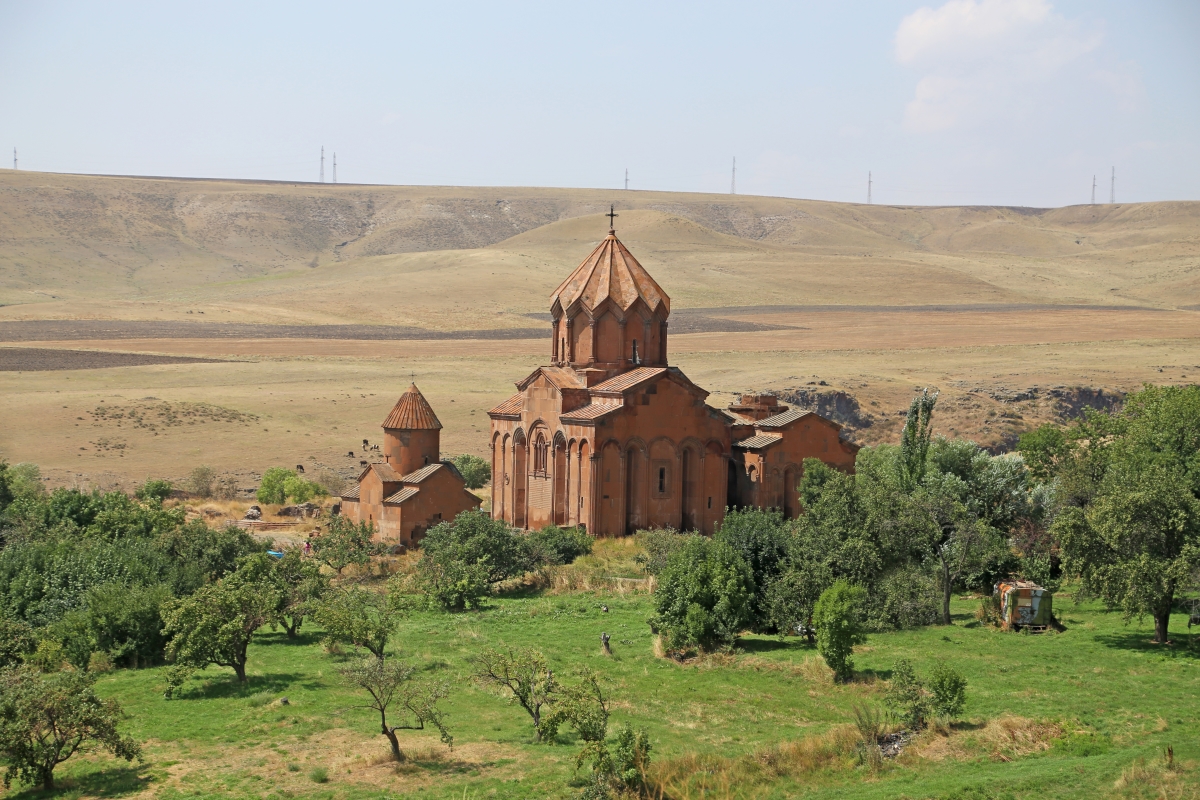
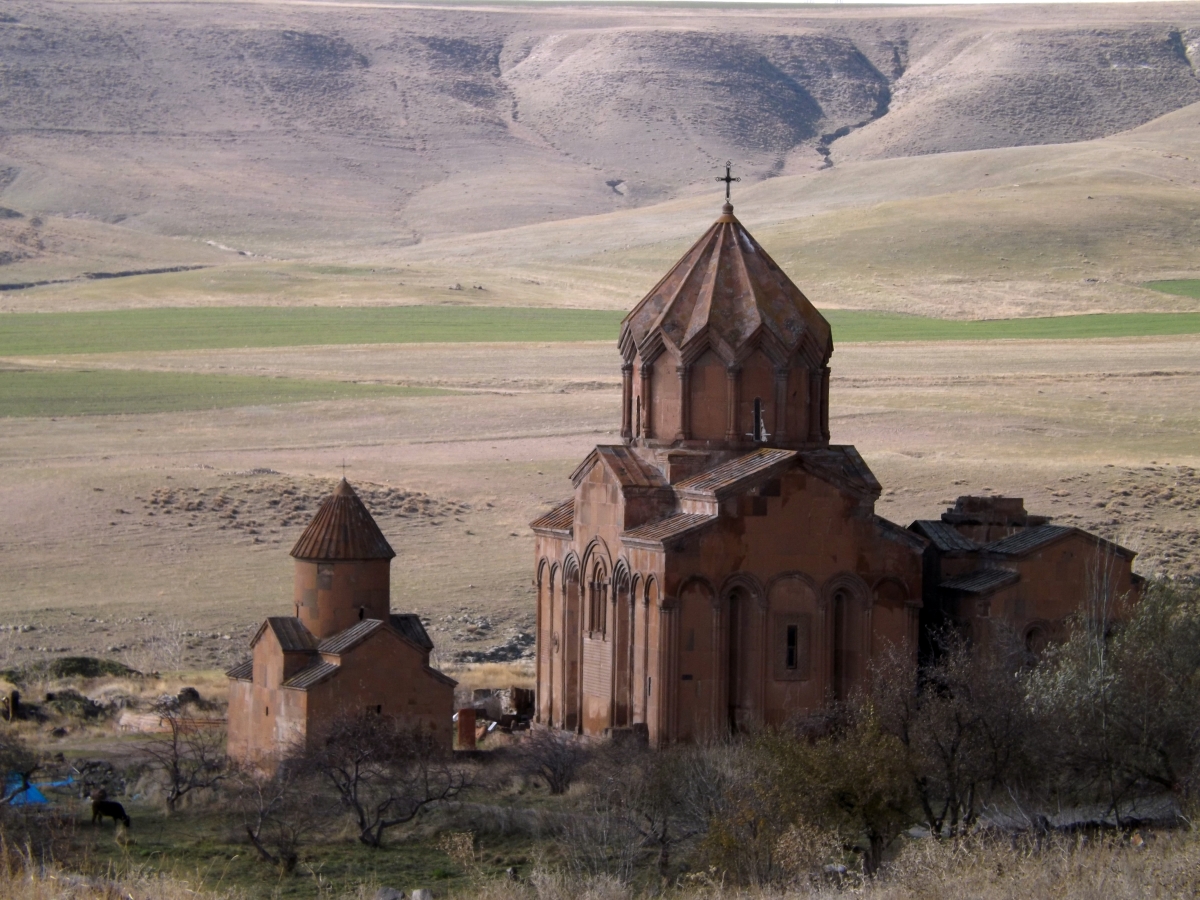
The Marmashen monastery is located 2km. to the north-west of the Marmashen village (Shirak district), on the Akhuryan river bank, divided by two monumental groups known as Big and Small. The main church - Catoghike, was constricted according to inscriptions of 988-1029 by the ruler Vahram Pahlavuni. It was heavily damaged after the Seljuk’s invasion. In 1225 the grandsons of Vahram Pahlavuni - the archbishop Grigor and his brother Gharib reconstructed Catoghike church.
The main church of the Marmashen monastery is of the vaulted hall construction type. The eastern altar is similar to that of the Ani Mair church and is treated with recesses. The Catoghike church is the best example of the Armenian architecture created during the Bagratuni period.
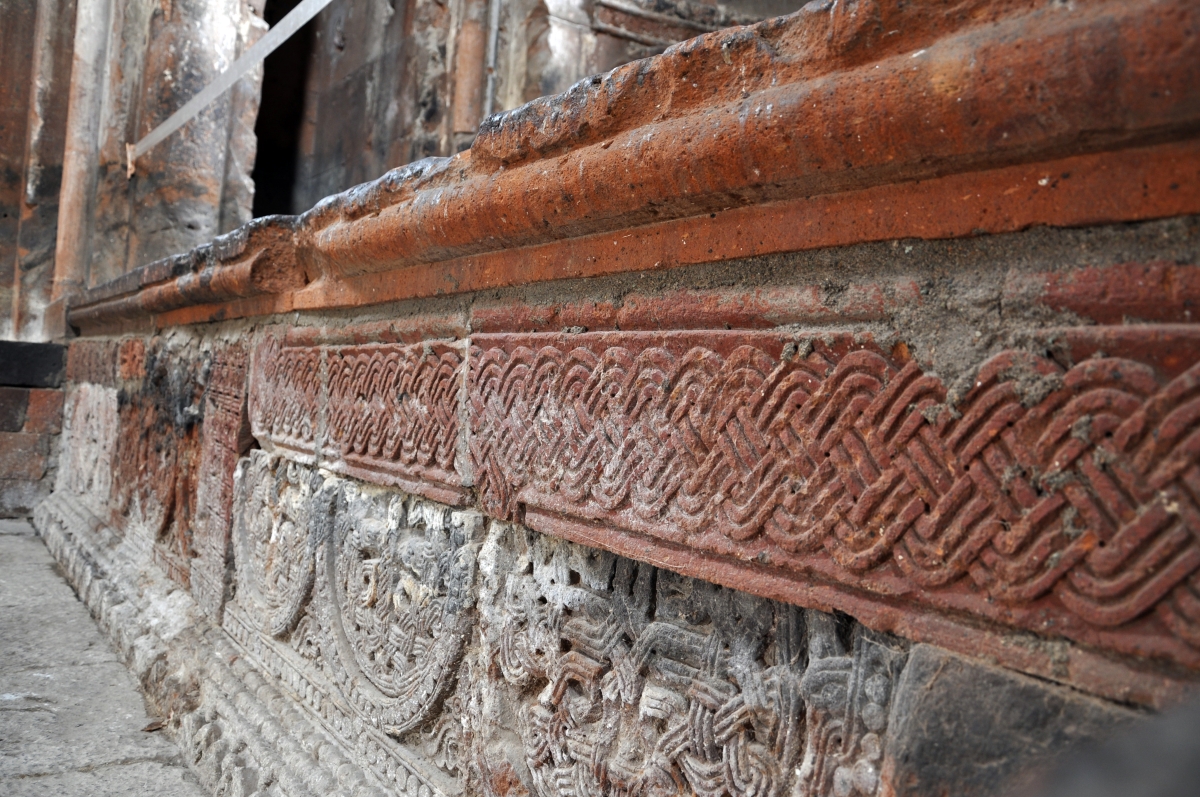
Attached to the Catoghike church is a second church built approximately at the same time. Only the northern and the eastern walls, formed with shaved red tuf, were still preserved to this day, which goes to prove that the second church with its compositon, architectural details and decorations was similar in many ways to Catoghike church.
The third church (11th century) is situated south of the Catoghike church, having been constructed with a centralized vault. There is an entry attached from the west to the Catoghike church characterising that kind of construction with four columns and a centralized vault (still preserved today are the lower parts of the walls and cracked columns’ anchors). This entry served as a mausoleum, and it was where Vahram Pahlavuni was buried, and whose tomb-stone was created in the 19th century.
During 1954-1956 at the south-western entry, the fourth church was excavated from the outside. On the eastern and southern parts of the many monuments there is a cemetery. The monastery had its very own water-supply, which was discovered in the western portion of the entry. Marmashen was an important religious and cultural center.
Gallery

Another view

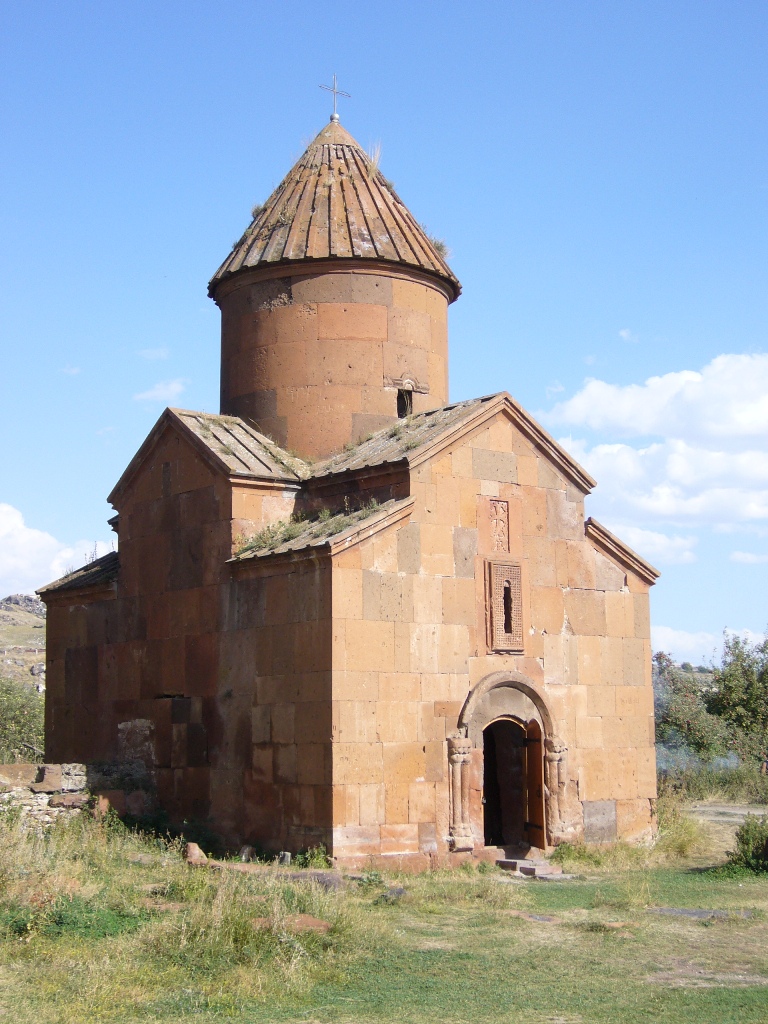
Smaller church adjacent to the main church.

Decoration at the altar.

Marmashen Monastery
Additional Information
Facilities


Contact information